Scientific publications
BIWE research produces peer-reviewed scientific articles on the connections between biodiversity and human health and well-being. You can find a list of all the project’s scientific publications here. You can access the original articles via the “Read more” links in the list.
Below you will find popular science overviews and selected highlights from our research.
-
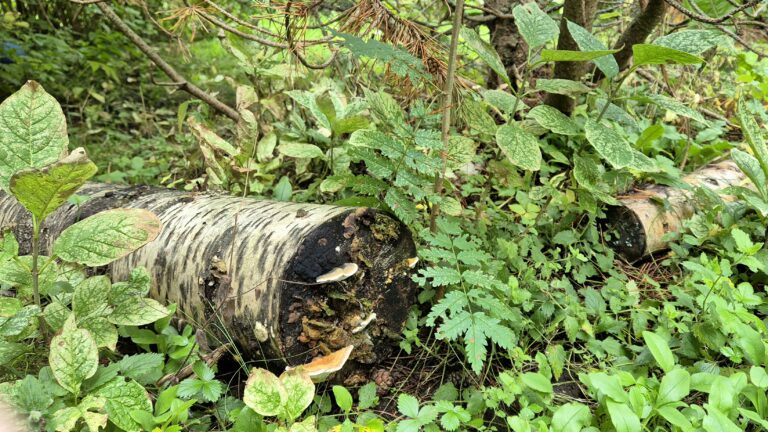
Urban home yards rewilded: may benefit microbiome and inflammatory response in just three months, neighborhood deadwood also played a role
A recent Finnish study has found that rewilding residential yards affected the skin and oral microbiota of residents and was linked to the body’s inflammatory responses. Furthermore, the amount of…
-
Unmanicured urban green spaces and natural surfaces in children’s play environments provide more diverse microbial exposure in urban areas
Two recent studies show that natural surfaces and unmanicured green areas in urban environments can increase microbial diversity while also promoting beneficial microbial exposure for citizens.
-
Putting your hands in the soil can affect the immune defence system’s ability to respond to the vaccine
We examined whether dermal exposure to natural microbes can modulate immune defence and pneumococcal vaccine response.
-
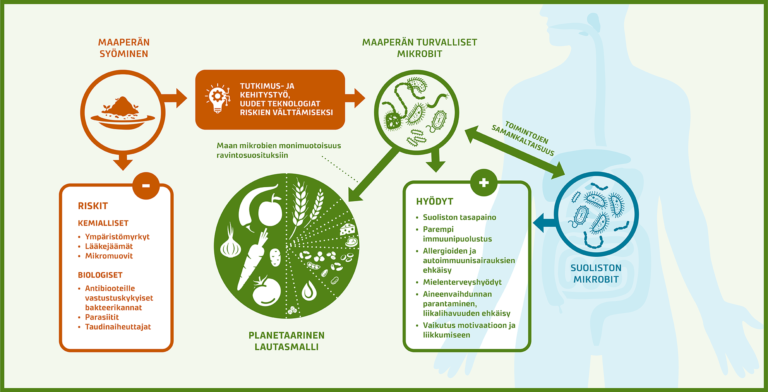
Health-promoting microbial diversity missing from dietary recommendations
Eating safe microbes from the soil can promote the development of our gut microbiota and immune defence, and have a positive impact on our mental health
-
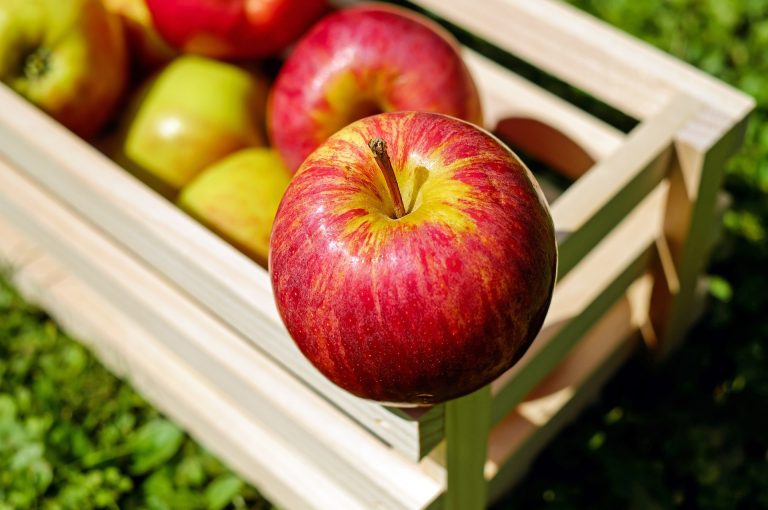
Modulation of the food microbiome by apple fruit processing
Food inhabiting microbes, currently considered being a risk factor for food safety, are a potential resource for the infant gut microbiome.
-
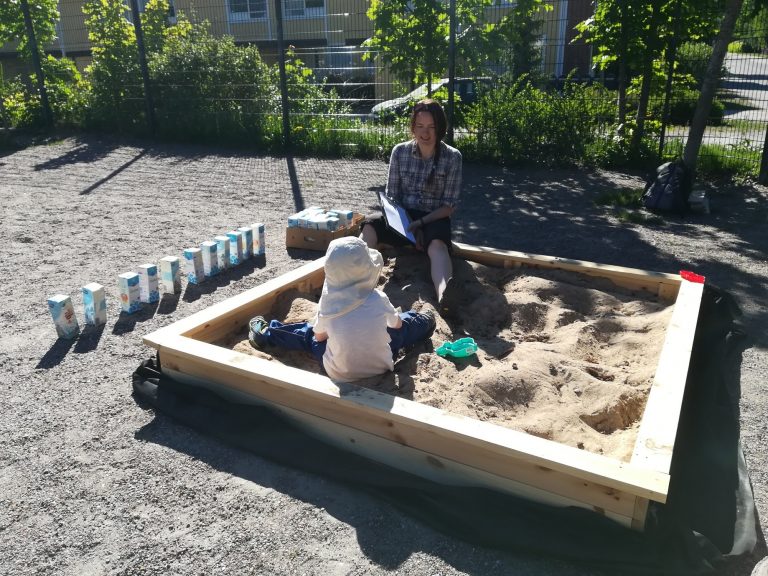
Sandbox sand enriched with natural materials strengthens the microbiota and immune regulation of children’s bodies
Kindergarten children’s immune system regulation can be improved in just two weeks by playing in a sandbox, to which natural materials proven to be safe, i.e. microbiological diversity, have been added.
-
The impact of human activity on the microbial communities of the environment
This chapter of the book examines how human activity affects microbial communities in the environment.
-
The green walls of the office have a positive effect on skin microbiota and regulation of the immunological defense system
Green walls at the office that actively circulate the air shaped microbiota related to the health of the employees’ skin and had a positive effect on the regulation of the immune system.
-
Forest-based yard improved kindergarten children’s immune system
The article by the researchers of the ADELE research group about the green yards of kindergartens was published in the Science Advances journal.
-
Greening the kindergarten yard reduced the probability of potential pathogenic bacteria succeeding on children’s skin
The research article written by Marja Roslund et al. has been published in Environmental International. According to the biodiversity hypothesis, reduced exposure to nature’s diverse microbiome increases the risk of…